
 From the start of a restaurant’s day through the end, there are hundreds of decisions to be made about the business. Data can help operators ensure they make the best decisions possible – from where in the dining room to seat a guest to how to manage demand for your popular new menu item. Data’s potential in helping a restaurant compete can feel practically limitless. But this can also make data management feel like an overwhelming task – like there is always going to be a task left on the table. A recent Harvard Business Review report identified several strategies to using data to guide better operational decisions. They may help refine your focus when it comes to using data for both long- and near-term needs. For example: Mining public intelligence can help you decide where to open your next restaurant – by using not only business intelligence platforms but also insights you can gain from social media platforms and menu search queries, you can gain a better understanding of what consumers are craving and where. Your data can also allow you to cherry-pick your most loyal guests from those looking for a table on a popular date, then determine which of your employees should serve them. It can help you identify at what point a long line out the door stops attracting curious guests and starts to become a labor problem. Finally, your data can help you better predict what guests will order – and allow you to reliably provide it to them – while also giving you the power to toggle between ordering channels to best manage demand. When you can get these areas right, you can drive up your experience factor – that feeling a guest gets that their money and time with you have been well spent.
0 Comments
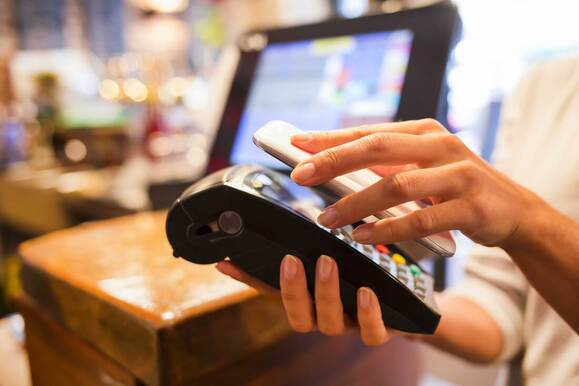 Amid all of the steps restaurant operators have been taking to remove friction from processes ranging from payment to staff scheduling, there is one area where friction is your friend: preventing fraud in your business. According to Kroll’s 2023 Fraud and Financial Crime Report, 69 percent of global executives and risk professionals expect financial crime risks to rise over the next year, with cybersecurity and data breaches being the biggest drivers.
The spike in digital transactions in recent years has made it easier to commit fraud – but you can take steps to minimize your risks. Bank of America’s State of the Restaurant Industry report advises restaurants to monitor anomalies in their accounts and other back-office operations, as well as take stock of areas of vulnerability. For example, note requests for refunds or payment voids, overpayment notices, digital payments that seem unusual in size or that are arriving from new sources or out of sequence, and communications that seem unusual. You can protect your largest areas of vulnerability by incorporating some extra checks that need to happen before transactions can be processed. That can include adding verification steps on invoice receipts and matching invoices to purchase orders, for instance. When onboarding a new vendor, verify their identity and key details. When you receive an account change request, require wait times or hold payment pending verification. If you receive a payment outside of the expected cycle or if you receive a large payment amount, you can establish review protocols and use protections such as multifactor authentication to make sure the transaction is legitimate. By adding some extra friction in the form of verification checks, you can make your business a less appealing target for fraud. |
More tech articlesWill your tech provider survive?A new source to help restaurants navigate tech landscapeCreate a cross-functional team to protect against evolving cyber threats
Archives
April 2024
Categories
All
|
 RSS Feed